
Discovering the Charms of the Isle of Wight Steam Railway

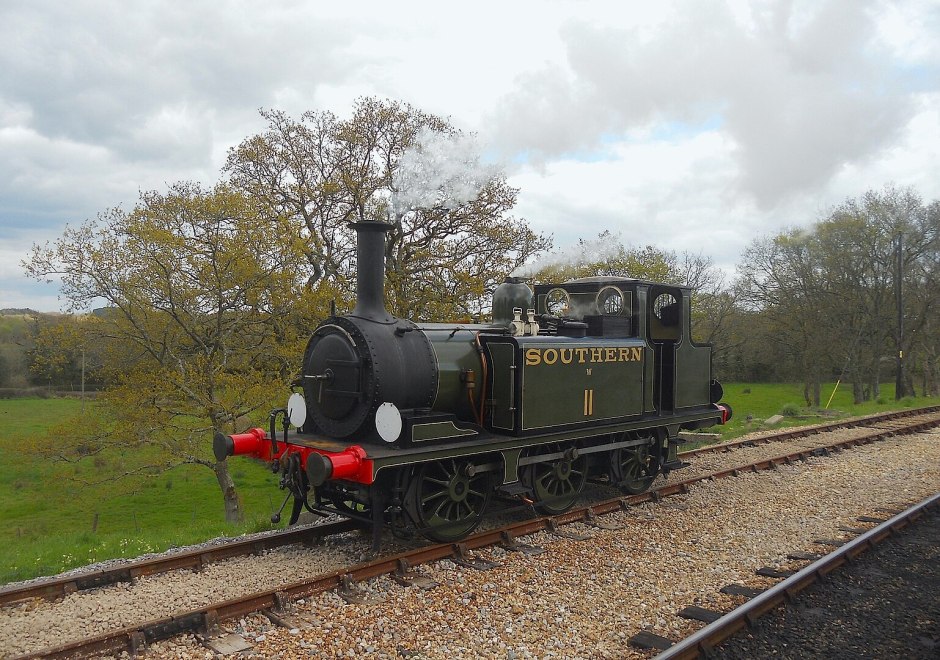
The Isle of Wight Steam Railway is a remarkable piece of living history nestled in the heart of the beautiful Isle of Wight. This unique heritage railway offers a step back in time, transporting visitors on vintage steam trains through 5.5 miles of glorious countryside.

Established in 1971, the Isle of Wight Steam Railway is a testament to the island’s rich railway history. This preserved railway operates on a section of the network that once encompassed over 55 miles of track. Today, visitors can enjoy a leisurely journey between Smallbrook Junction and Wootton, taking in the stunning views and historic stations along the way.

A common question about the Isle of Wight Steam Railway is: What can visitors expect? In addition to the nostalgic train ride, the railway offers a range of attractions. The Train Story Discovery Centre provides an interactive museum experience, detailing the history of the island’s railways. The Havenstreet station is home to a charming tea room, gift shop, and a woodland walk, while regular events, from vintage car rallies to Christmas-themed rides, add to the railway’s appeal.

The railway’s rolling stock, consisting of beautifully restored Victorian and Edwardian carriages and locomotives, is a major draw for railway enthusiasts and history buffs. The oldest operational carriage dates back to 1864, offering a tangible link to the past.

The Isle of Wight Steam Railway is not just a tourist attraction, but a community endeavour. Run by a dedicated team of volunteers, the railway’s preservation and operation are a labour of love. This community spirit, combined with the railway’s historic charm, creates a warm and welcoming atmosphere that enchants visitors.

A visit to the Isle of Wight isn’t complete without a ride on this historic steam railway. Whether you’re a railway enthusiast, history lover, or simply seeking a unique and enjoyable day out, the Isle of Wight Steam Railway offers an unforgettable experience. So, step aboard and let the magic of steam take you on a journey back in time.

By PeterSkuce – Own work, CC BY-SA 4.0, https://commons.wikimedia.org/w/index.php?curid=56623828

Westfield London – A full day's shopping experience and much more

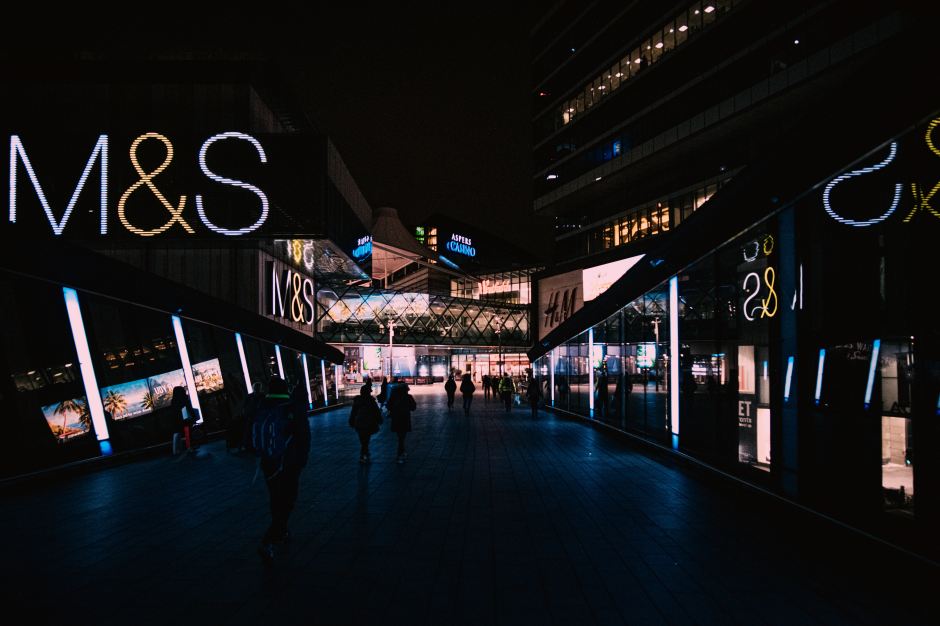
Located in Shepherds Bush, with excellent transport links from across London and the UK, and free parking for over 5,000 cars, Westfield is Europe’s largest shopping/leisure facility, and is visited by over 26 million annually.

Some estimates put the footfall at over 50 million per annum, with a surprisingly high number of London tourists staying in hotels across the city spending a day enjoying the numerous attractions.

The complex contains over 300 UK High Street and premium stores, and a ‘village’ of 40 high-end retail outlets from 15 countries, including Adidas, Gucci, Burberry, Tiffany & Co, Versace and many, many more.

For those must-have accessories, you will find shops such as Breitling, APM Monaco, Mango and Longines. While stores such as Lego, Early Learning and the Disney Store will keep the little ones entertained.

A great day out for the whole family, Westfield is also home to over 80 different eating concepts, including, on the balcony of the southern terrace, 13 counters specialising in prepared and cooked-to-order dishes.

Stunning in its own right, the light, glass-roofed main hall, boasts a 14-screen cinema hosting world premieres and music concerts featuring international artists.

A two-acre outdoor section holds numerous outdoor programmes and events, many aimed at younger family members. Or book the kids into KidZania, where they can be anything they like, from a brain surgeon to an airline pilot or train driver.

Wherever you’re staying in London, why not take a day off from the sightseeing, and treat the whole family to a day at Westfield.

TCS London Marathon 2022

Did you know over 800 marathons are run every year in cities worldwide?

London’s first-ever marathon event was way back in 1981, with 7,055 starters and 6,255 finishers. Staged every year since, in 2019, the last figures before the two-year covid break, 42,906 started the marathon, with 42,549 completing the course.

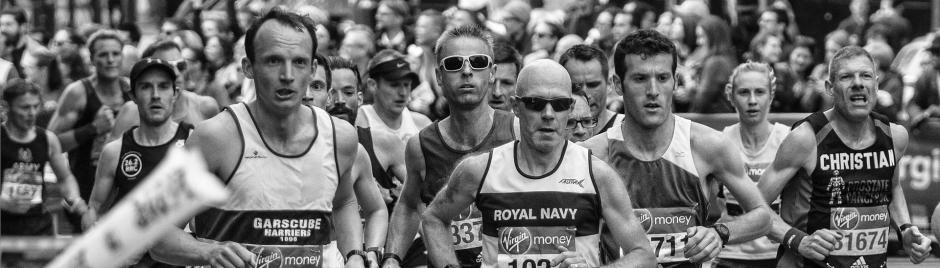
In just a few short months, a similar number of professional athletes running for records, and amateur athletes running to raise money for good causes, will again be pounding the streets of London Town.

With a course that wends its way through the heart of the city, finding somewhere to stay to enjoy the festivities shouldn’t be a problem. The TCS London Marathon starts at Great Cross Avenue in Greenwich. Heading east through Woolwich, it turns west and passes the Cutty Sark at around seven miles. Crossing the Thames at Tower Bridge, the route bends around the Shard, and at about 12 miles, it passes the London Eye and Canary Wharf.

Finally, after 26 gruelling miles and around four hours of running, the competitors will pass Big Ben, the Houses of Parliament and Buckingham Palace, before crossing the TCS London Marathon finish line.

If you’re considering joining the thousands of spectators who watch this annual event, why not do it in style, and book a short weekend break. On the Saturday enjoy a little retail therapy, a drink beside the Thames, or a meal in Soho. Before seeking out the buskers, bands and numerous other street entertainers, who will be setting up their pitches to entertain the crowds lining the route on the Sunday morning.

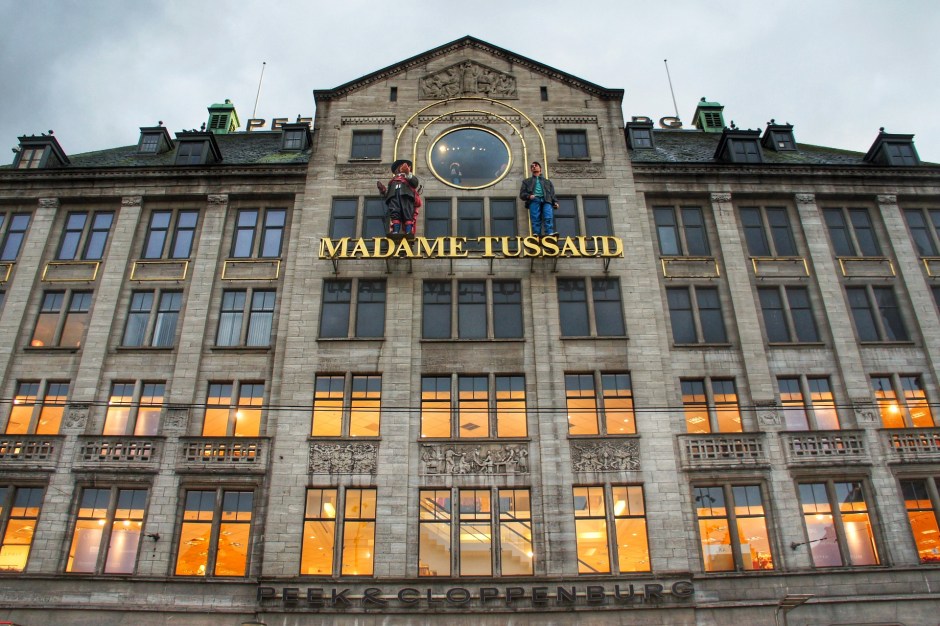
The history of Madame Tussauds, London

The doors of Madame Tussauds have attracted thousands of visitors since it opened its doors over 200 years ago. Here we explore its rich history.

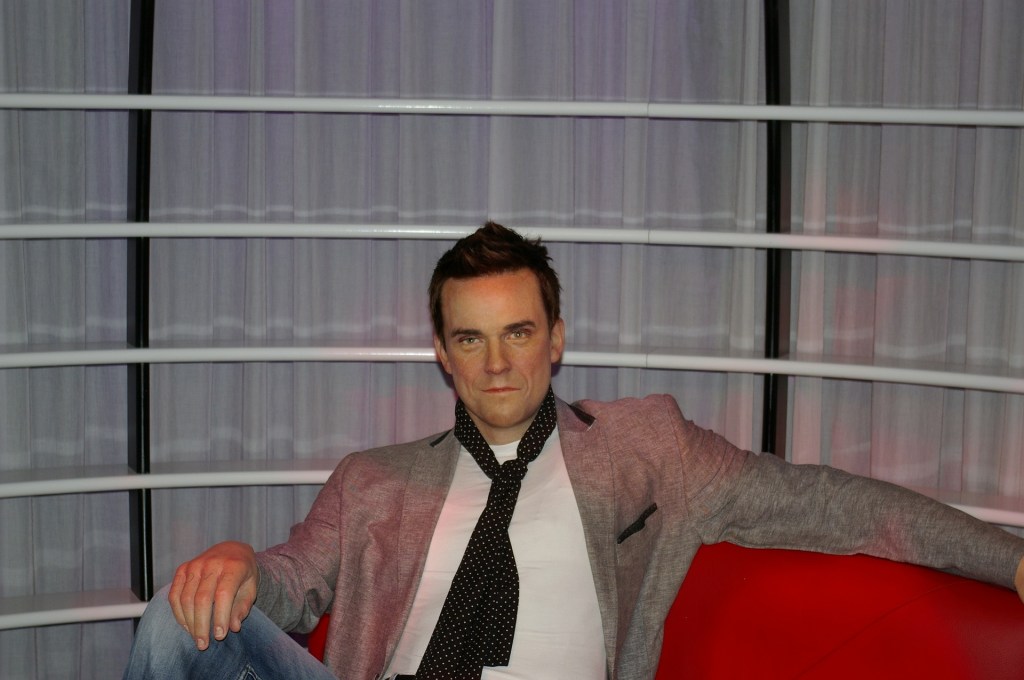
Madame Tussauds escaped the horrors of the French Revolution and settled in Britain, where she captivated audiences with her wax figures. Madame Tussauds Museum is one the leading attractions in central London with waxworks of some of the most famous personalities in the world such as Barack Obama, Queen Elizabeth, Angelina Jolie, Brad Pitt, and Donald Trump, among others.

Who was Madame Tussauds?

Madame Tussauds was born as Marie Grosholtz in 1761 in Strasbourg, eastern France. This was months after her father was killed in a war. Her mother worked as a housekeeper in the Swiss city of Bern. She was working for Dr Philippe Curtius, an anatomist and wax worker. Curtius acted as a guardian to little Marie, and she regarded him as an uncle. He would go on to teach her how to make wax sculptures. She completed a wax figure likeness of philosopher Voltaire, aged around 15 or 16. She would thereafter create famous figures such as Jean-Jacques Rousseau and Benjamin Franklin, among many others. When revolution broke out in 1789, she and her mentor found themselves in danger after being accused of receiving monarchist sympathies. She was thrown into prison and forced to make ‘death masks’ of the executed King, Queen and nobles as revolutionary victories.

Madame Tussauds Museum

When she settled in London, she set up a separate room for her death masks, referred to as the Chamber of Horrors. However, it was partially burnt down in 1925, destroying over 300 waxworks.

The Madame Tussauds museum at Baker Street, London, is one of the iconic tourists’ attractions to visit for great waxworks and the eerie history behind Madame Tussauds creations.

Historic Famous Conferences: Vienna Summit, the 4th of June 1961

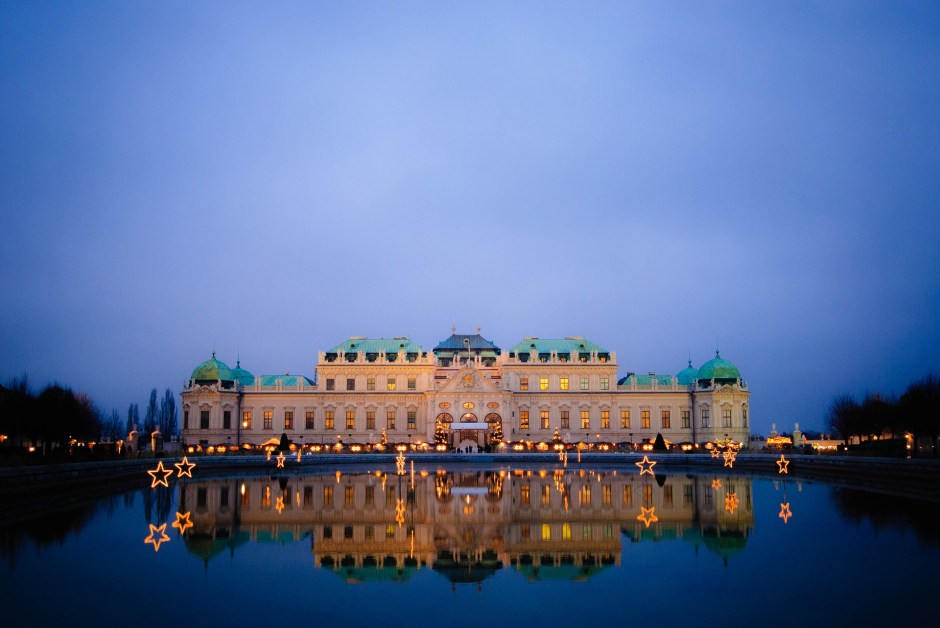
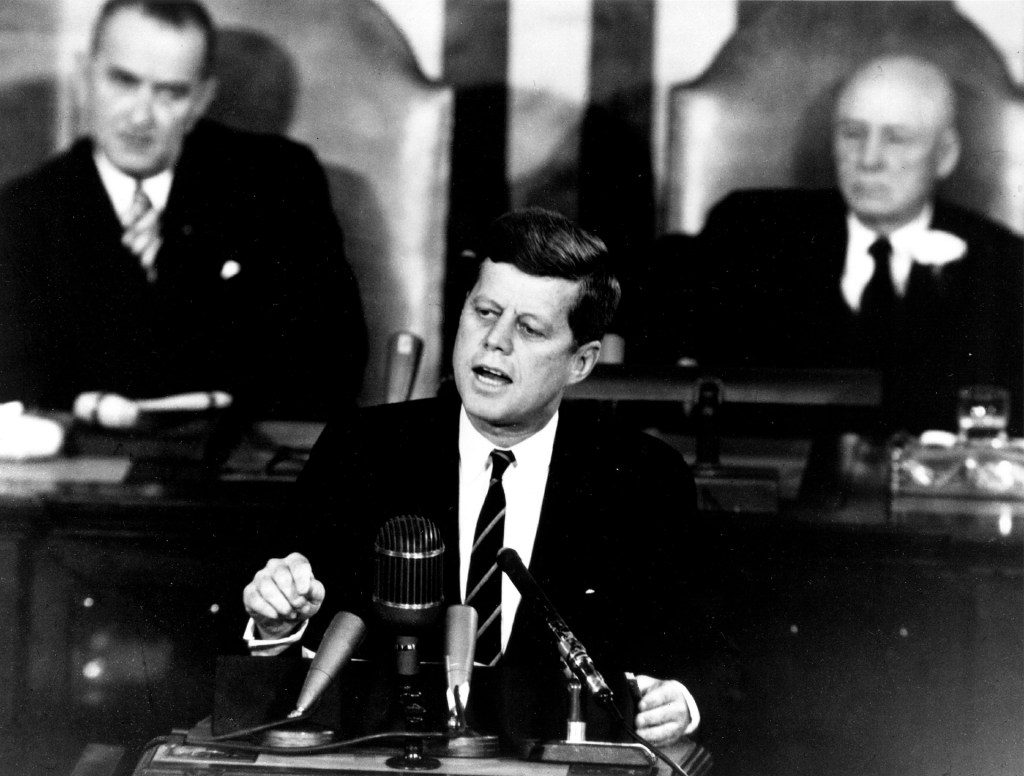
The two most powerful men in 1961, President John Kennedy of the United States and Premier Nikita Khrushchev of the Soviet Union, met for a conference meeting on the 4th of June in Vienna, Austria.

Kennedy and Khrushchev’s first meeting was at the Vienna summit. Their communication began with Khrushchev sending a congratulation message to Kennedy on his presidential election victory in November 1960. He stated that he hoped for better relations between the U.S. and USSR.

In February 1961, Kennedy sent a letter suggesting conferences between the two leaders. In the meetings, they would exchange their views on how they could work out their interstate conflicts. Despite the animosity between the two leaders, he advised Khrushchev to accept the summit proposal. Preparations began for the official meeting even with the cold war rivalries between the two superpowers increasing rapidly.

The Berlin Question

By 1961, there was a lot of emigration from East to West Berlin. The German Democratic Republic leader, Walter Ulbricht, argued with Khrushchev to close the border between the two sections of the city. He claimed that the western powers would make East Berlin more unstable. During the Vienna meetings, the main agenda was to discuss and agree on whether or not the U.S. would allow a separate peace treaty with Berlin. After the meeting, Khrushchev continued to uphold the rights of the new German socialist republic and increased the Soviet defence budget.

The Laos Question

Laos was a small landlocked country in Southeast Asia that struggled to maintain its independence. To set up a neutral government, a ceasefire arrangement before the negotiation was required. If not, communists would continue fighting to acquire favourable terms at the peace conference. After the violation of the ceasefire, the Vienna Summit talk led to President Kennedy explaining to Khrushchev that U.S. allies with Southeast Asian Treaty Organization did not want communist to take over Laos. They agreed to both cease the conflicts and worked for negotiations to obtain a neutral government in the South East Asian country.

The Invasion of the Bay of Pigs

In 1961, a few Cuban exiles opposed Fidel Castro’s Cuban Revolution, Castro felt that the U.S. helped the Cuban exiles acquire freedom from his dictatorship. It brought changes in relationship between the Soviet Union, Cuba, and the United Nations. Kennedy mentioned the issue to Khrushchev. In the Vienna summit, the U.S. and USSR would communicate and come up with a remedy of the conflicts.

Despite both leaders not coming into a concrete agreement, they were pleased they were able to meet in Vienna.

5 Little Known Facts About Hyde Park, London

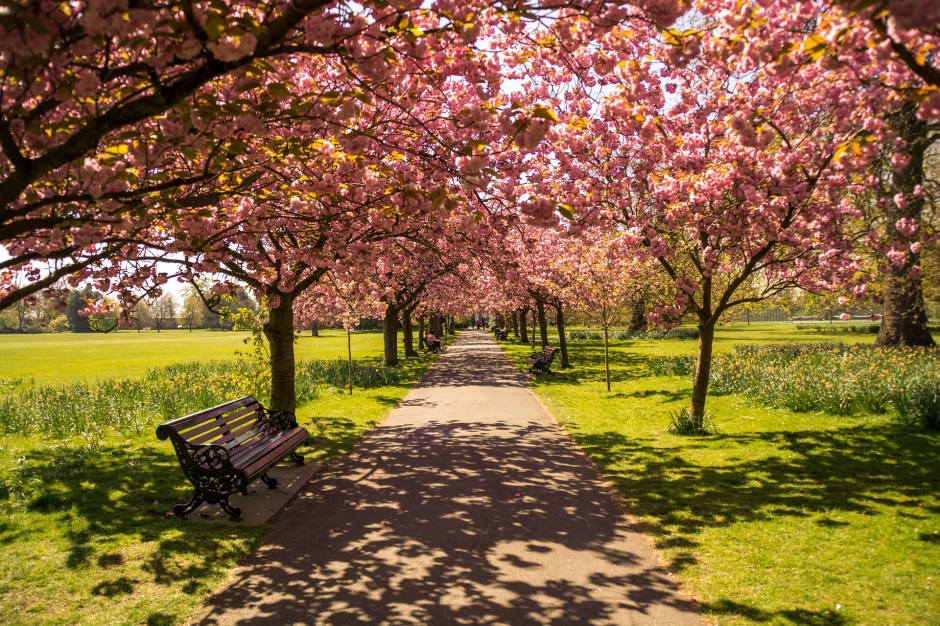
Hyde Park features beautiful open spaces that have made it a popular tourist attraction. However, there are many little known facts about this Grade I-listed park that people do not know.

1. Speakers’ Corner – an area where debate and open-air public speaking are allowed

Speaker’s Corner is a part of the park that’s designed for giving the public a voice. People have been using it to exercise their right to express their opinions without restraint or legal penalty. People often stand on soap-boxes and start teaching, informing, discussing or preaching to the word on various issues.

2. Pet Cemetary – home to pet graves

Through the years, Hyde Park has been used as a burial ground for beloved pets. The first resident was Cherry, a terrier who passed away in 1881. The lodge-keeper allowed the dog’s owner to bury his pet on the grounds since they were friends. More people started burring their pets after the news spread. The park is currently home to more than 300 pet graves.

3. Hunting ground – a hunting ground for Henry VIII of England

In 1536, Hyde Park was made to be Henry VIII’s hunting ground. He bought the land so that he together with his lords would have a place where they could practice their hunting skills. It was not until 16437 that the grounds became a park after Charles I of England opened the place to the public.

4. Nature – a hotspot for birdwatching

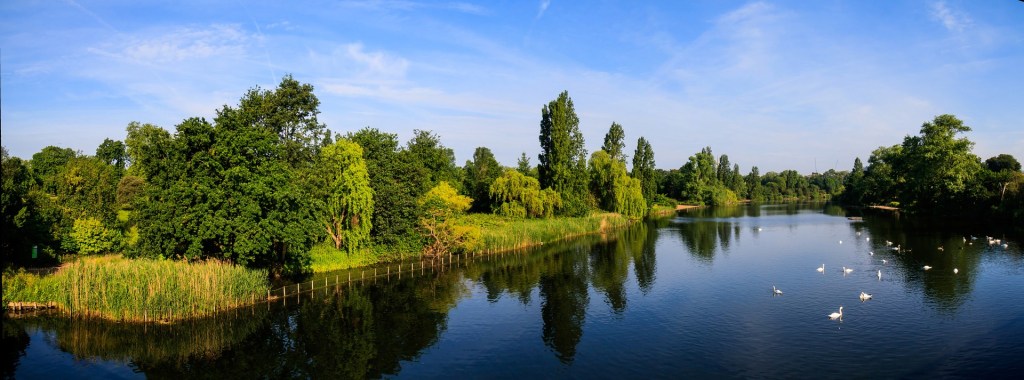
Hyde Park has more than 4,000 trees, with the parks famous Rose Garden hosting more than 100 species of roses for guests to enjoy. The Serpentine attracts numerous songbirds to Hyde Park, including dunnocks, long-tailed tits and robins. This makes the place a great spot for birdwatching

5. Street lighting – historic track with numerous gas lanterns

There’s a historic track called Rotton Row, a broad 4,541 ft track running through Hyde Park and connects the Serpentine and Hyde Park Corner. It was established in the 17th century by William III, becoming the first place to have street lighting in Britain. William III installed more than 300 gas lanterns along this path because it was his regular route. Here is a site with more information about Hyde Park

There is a lot of amazing things to see or do at Hyde Park, making it perfect for visitors who want to experience a quieter side of the British capital. When planning their trip to Hyde Park, London, visitors should book accommodation beforehand. There are contemporary, stylish hotels on Hyde Park. Royal Lancaster London offers spacious rooms overlooking over the magnificent Hyde Park.

Tips for Having a Healthy Looking Face?

People who want to have a healthy-looking face should learn how to take care of their skin. Healthy lifestyle choices and good skincare help to delay ageing and prevent a range of skin problems. Below are some tips for having a healthy-looking face.

Wash hands – remove germs from hands to prevent infections

Hands often come into contact with a large number of germs and surfaces throughout the day. Most people are also likely to touch their face all the time. For that reason, it’s always a great idea to wash hands on a regular basis or avoid the habit of frequently touching the face.

Eat a balanced, healthy diet – food impacts the skin

People eat the right food to make sure they maintain healthy skin and weight. Eat lean proteins, whole grains, vegetables and plenty of fruits. Additionally, a diet low in unhealthy fats and refined or processed carbohydrates and rich in fish oil supplements or fish oil could promote healthy-looking face. Don’t forget to drink plenty of water as it will help keep the skin hydrated.

Exercise – help keep the face firm and supple

Exercise is one of the important solutions for most health-related issues. When it comes to skincare, swimming and jogging increase the amount of oxygen the lungs can hold. They can also replenish the circulation of blood. These are the key elements to improving the vibrancy and vitality of the face. The face will be brighter as blood circulates freely. Specific poses of yoga designed to increase the flow of blood to the face are also a great idea.

Spa treatments – prevent ageing and cleanse the skin

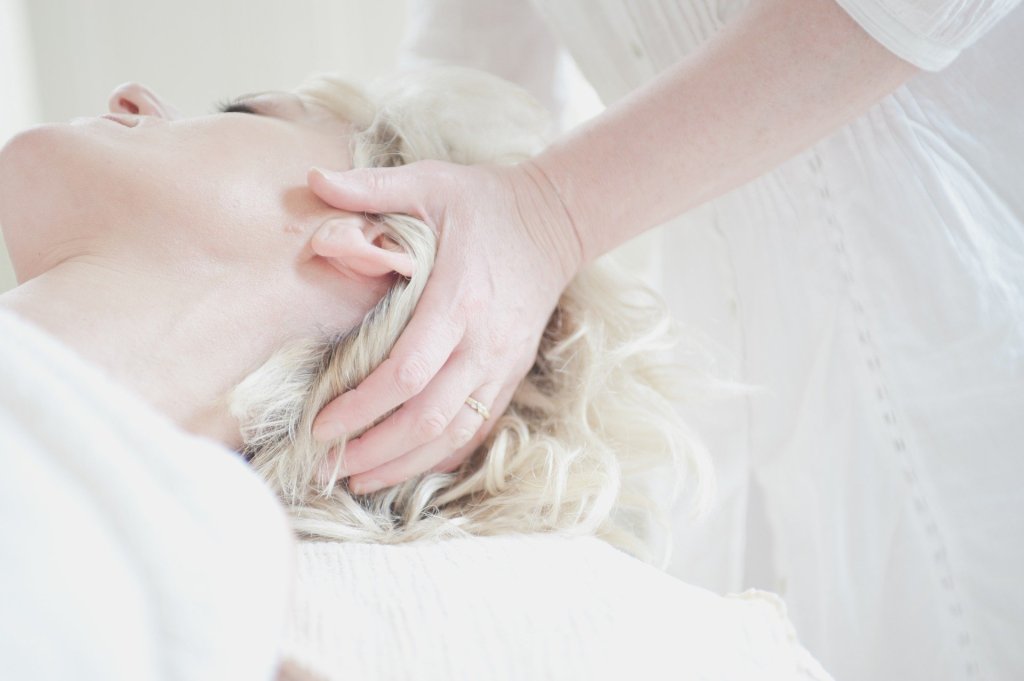
K West Spa treatments offer great benefits to the health of the face. Located in West London, the spa offers facial treatments to help people maintain a young, fresh look. K West Spa treatments boost cell regeneration, improve blood circulation, promote collagen development and nourish the skin, making it look smooth and healthy. Spa treatments also improve the skin tone and cleanse the skin from daily exposure to pollution and dirt. Here is a site with more tips for having a healthy-looking face:

Having a healthy-looking face is a worthy goal for everyone. Taking proper care of the skin is an important step in looking youthful and healthy.